
Your credit score affects almost every major financial decision in your life — from getting approved for a credit card to buying a house or even renting an apartment.
In 2026, with lenders tightening approval standards and interest rates still competitive, having a strong credit score can save you thousands of dollars.
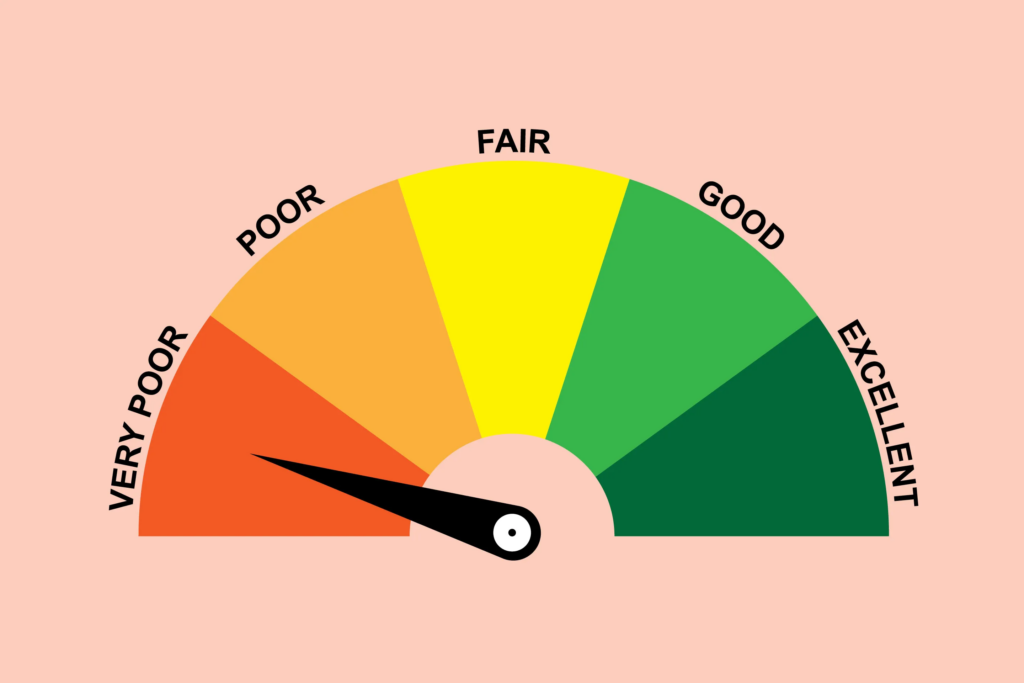
If your score needs improvement, here are proven strategies that can help you boost it faster than you think.
What Is Considered a Good Credit Score in 2026?
Most lenders use scoring models that range from 300 to 850.
Here’s how scores are generally categorized:
- 300–579 → Poor
- 580–669 → Fair
- 670–739 → Good
- 740–799 → Very Good
- 800–850 → Excellent
A score above 740 typically qualifies you for the best interest rates.
What Impacts Your Credit Score?
Your score is primarily based on five factors:
- Payment history (largest factor)
- Credit utilization ratio
- Length of credit history
- Credit mix
- New credit inquiries
Improving your score quickly means focusing on the factors you can influence immediately.
1. Lower Your Credit Utilization (Fastest Impact)
Your credit utilization is the percentage of available credit you’re using.
Example:
If you have a $5,000 credit limit and owe $2,500 → 50% utilization.
Experts recommend keeping utilization below 30%, and ideally under 10% for maximum impact.
Ways to reduce it:
- Pay down balances
- Make multiple payments per month
- Request a credit limit increase (without increasing spending)
This strategy alone can increase your score within 30–60 days.
2. Always Pay On Time (No Exceptions)
Payment history makes up about 35% of your score.
One late payment can significantly hurt your rating.
If you’ve missed payments:
- Bring accounts current immediately
- Set up automatic payments
- Contact creditors to request goodwill adjustments
Consistency over the next 3–6 months can begin rebuilding trust with lenders.
3. Dispute Errors on Your Credit Report
Errors are more common than people realize.
Check your report for:
- Incorrect late payments
- Accounts that aren’t yours
- Incorrect balances
- Duplicate debts
You can request free credit reports annually from the major bureaus and file disputes online.
Correcting even one mistake can boost your score quickly.
4. Become an Authorized User
If a trusted family member has:
- Long credit history
- Low utilization
- Perfect payment record
Becoming an authorized user on their card may help your score.
You don’t even need to use the card — their positive history can reflect on your report.
5. Avoid Hard Inquiries
Each hard inquiry can temporarily reduce your score.
Avoid:
- Applying for multiple credit cards at once
- Applying for loans unnecessarily
Only apply when strategically necessary.
6. Use a Secured Credit Card (If Starting Over)
If your score is very low or you have no credit history, a secured credit card can help rebuild credit.
You provide a deposit (e.g., $300), which becomes your credit limit.
Used responsibly, this can establish positive payment history within months.
How Long Does It Take to Improve a Credit Score?
It depends on your starting point.
Minor improvements (utilization fixes):
30–60 days
Rebuilding after missed payments:
3–12 months
Major recovery (collections, defaults):
1–2 years
The key is consistency.
Tools That Help Monitor Your Credit in 2026
Monitoring your credit helps you:
- Track improvements
- Detect fraud
- Catch reporting errors early
Many banks and financial platforms now offer free credit score monitoring within their apps.
Mistakes to Avoid
- Closing old accounts (shortens credit history)
- Ignoring small balances
- Applying for too many cards
- Paying only the minimum while keeping high balances
Small decisions can have long-term consequences.
Improving your credit score in 2026 doesn’t require complex strategies — it requires discipline and smart adjustments.
Focus on:
Lowering utilization
Paying on time
Correcting errors
Avoiding unnecessary applications
Even small improvements can reduce loan interest rates and save you thousands over time.
Your credit score is not permanent. It’s dynamic — and you can start improving it today.